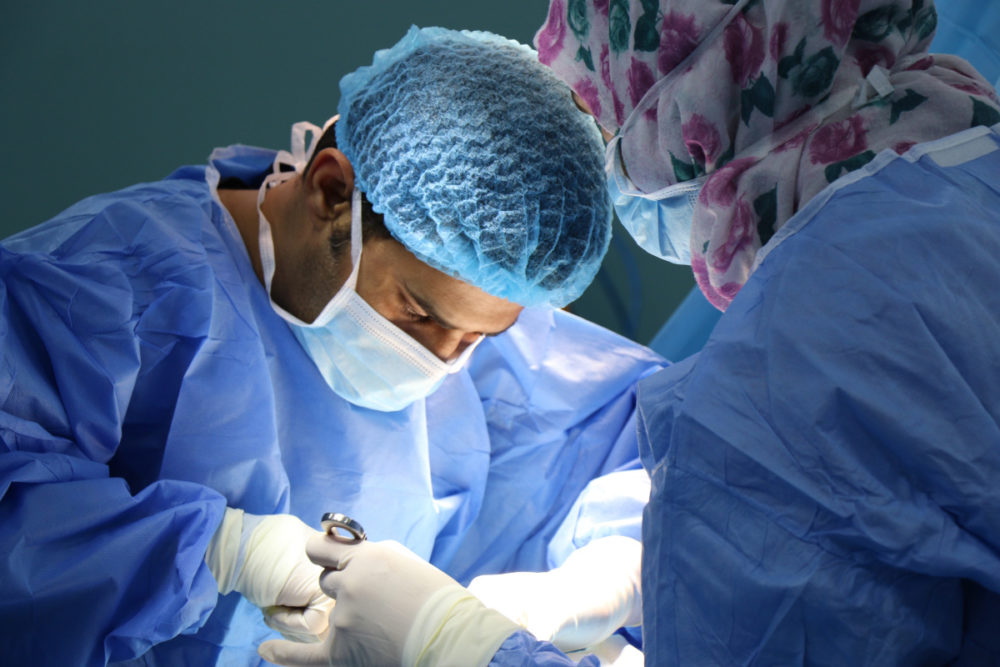
Cosmetic surgery is a life-altering decision that requires careful thought and consideration. While the desire to enhance one’s appearance can be compelling, it’s essential to approach the process with a clear understanding of the potential risks and implications. Here, we explore what you should consider before committing to cosmetic surgery to ensure a safe and satisfactory experience.
1. Understanding the Risks
Like any medical procedure, cosmetic surgery comes with inherent risks. These can range from minor complications, such as swelling or bruising, to more serious issues, such as infection, nerve damage, or adverse reactions to anesthesia. Patients should also be aware of the possibility of unsatisfactory results, which may require revision surgeries. While skilled surgeons and modern techniques reduce these risks, no procedure is entirely without potential complications.
2. Researching the Surgeon and Facility
Choosing a qualified, experienced surgeon is one of the most critical steps in minimizing risks. Ensure that your surgeon is board-certified in cosmetic or plastic surgery and has a proven track record of performing the procedure you’re considering. Reading reviews, viewing before-and-after photos, and asking for patient testimonials can provide insight into a surgeon’s skill and reputation. Additionally, verify that the facility where the surgery will be performed meets high safety and hygiene standards.
3. Assessing Your Health
Your overall health plays a significant role in your suitability for cosmetic surgery. Conditions such as diabetes, heart disease, or a compromised immune system can increase the risks associated with surgery. A thorough medical evaluation by your surgeon or a primary care physician is essential to identify any potential health concerns. Additionally, maintaining a healthy lifestyle, including proper nutrition and avoiding smoking, can significantly enhance your body’s ability to heal post-surgery.
4. Setting Realistic Expectations
One of the most overlooked aspects of cosmetic surgery is the psychological impact it can have. Unrealistic expectations often lead to dissatisfaction, even when the surgery is technically successful. Before proceeding, discuss your goals with your surgeon to ensure they are achievable. Remember, cosmetic surgery can enhance your appearance, but it won’t necessarily change your life or solve underlying emotional issues. A positive mindset and realistic expectations are crucial for a fulfilling outcome.
5. Considering Costs and Recovery Time
Cosmetic surgery is a significant financial investment. Procedures can be expensive, and insurance rarely covers elective surgeries. Be prepared for costs that include the procedure itself, anesthesia, hospital fees, and follow-up care. Additionally, consider the time needed for recovery. Some surgeries require weeks or even months of downtime, during which you may need to limit physical activity and take time off work.
6. Exploring Alternatives
Before committing to surgery, explore non-surgical options that may achieve your desired results with fewer risks and shorter recovery times. Treatments like Botox, fillers, or laser procedures can provide subtle enhancements and serve as an alternative for those hesitant to undergo invasive procedures.
Conclusion
Undergoing cosmetic surgery is a deeply personal decision that should be made with careful thought and preparation. By thoroughly understanding the risks, researching your surgeon, and setting realistic expectations, you can make an informed choice that prioritizes your safety and well-being. Ultimately, the goal of cosmetic surgery is to enhance your confidence, but achieving this requires a balanced approach that considers both the benefits and potential challenges.